
Teeth Grinding
Most people might grind or clench their teeth from time to time. Occasional teeth grinding, or bruxism, does not usually cause harm, but when teeth grinding occurs on a regular basis the teeth can be damaged and other oral health complications can arise. Teeth grinding is often associated with anxiety or stress and usually occurs during sleep. It can also be associated with a sleep disorder known as sleep apnea. The clenching of the upper and lower jaw causes pressure on the muscles and tissues of the jaw. The symptoms of bruxism include: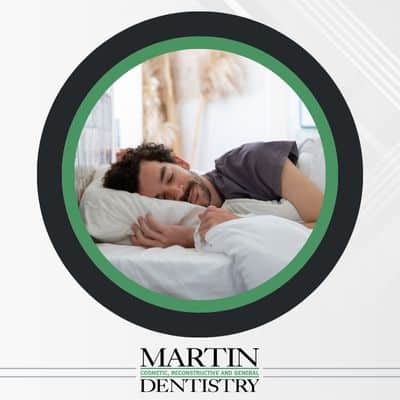
- jaw joint disorder
- headaches
- neck and jaw pain
- ear pain
- tense muscles
- excess wear on the teeth determined by your dentist
Collectively these symptoms are called temporomandibular joint disorder (TMJ). If left untreated, bruxism can damage the joint that connects the lower and upper jaw, and cause the teeth to wear down. The causes of TMJ or teeth grinding include, but are not limited to:
- stress/anxiety
- sleep apnea
- abnormal bite
- missing/crooked teeth
Dental Night Guard To Ease Teeth Grinding Symptoms
Your dentist will determine if you have excess wear caused by teeth grinding and provide you with a custom fit night guard to wear that will preserve your teeth and jaw. A dental night guard is a common treatment that will protect the teeth from the pressure of clenching and grinding by providing a protective cushion between the upper and lower teeth. Night guards can also prevent pain in the joints associated with the jaw, as well as preventing headaches and muscle pain, from grinding.
At Anthony Martin Dentistry, we specialize in creating custom night guards, which will help to prevent the headache and muscle aches associated with clenching and grinding your teeth. If you suspect you are grinding your teeth at night or have any of the symptoms listed above, call (757) 886-0300 today to schedule a consultation.