Everyone loves to have a smile that sparkles, and a healthy tooth enamel makes it happen. The hard and thin outer covering on your teeth is the enamel, and it plays a critical role in:
- Guarding your teeth against the grinding, chewing, and biting you do every day.
- Providing insulation, so taking hot and cold food doesn’t cause pain.
- Determining the color of your teeth. Enamel is translucent, and the dentin underneath can be seen.
Although tooth enamel is the hardest tissue in the human body, it can be at risk to wear and tear, a process called enamel erosion; and it can happen way faster if you make the wrong choices on food and drinks. While a broken bone can heal itself, tooth enamel has no living cells, meaning it’s irreversible once the damage is done. Symptoms like tooth stains and sensitivity are common with enamel erosion. The positive news is that erosion is preventable and treatable with the help of your dentist.
What Causes Lack of Tooth Enamel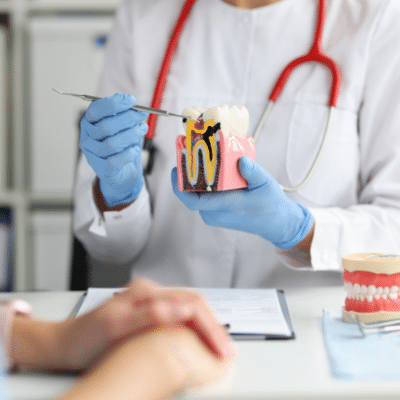
- Poor dental hygiene
- Using the incorrect type of mouth wash
- A diet containing high starch and sugar.
- Use of medications such as aspirin and vitamin C, especially in young kids.
- Clenching or grinding of teeth is a condition called bruxism.
- Use of too much citric acid and regular consumption of carbonated water.
- Vomiting frequently as a result of excessive alcohol consumption and bulimia.
- Low saliva flow or chronic dry mouth.
- If you suffer from acid reflux disease, also referred to as Gastroesophageal Reflux Disease (GERD).
- If you suffer from a genetic condition called enamel hypoplasia.
What Can I Do About It?
Weakened enamel can be restored by a process called remineralization. It is beneficial since it replaces lost minerals.
Products with fluoride, such as fluoridated toothpaste and foods rich in calcium, are great options. You can also remineralize your teeth by taking bone broth, coconut oil, or cultured butter. Other ways to remineralize your teeth include:
- Take a diet rich in vitamin D can help in calcium absorption.
- Avoid products with phytic acids.
- Add probiotics to your diet.
For detailed advice regarding your enamel loss, seek advice from your dentist about the best solution for your teeth.
How A Dentist Can Help With Restoring Tooth Enamel
Yes, a dentist will help immensely if the above options fail to work. They take you through other options and give the proper treatment based on the intensity of the erosion and cavities’ presence.
Treatment methods for enamel erosion include:
- Bonding: Tooth bonding entails a dentist having a tooth-colored material applied to your teeth; it hardens under a unique light, so it binds irreversibly to your natural teeth.
- Dental Crowns: If tooth enamel is seriously eroded, your dentist may suggest covering your affected teeth with crowns.
- Veneers: Your dentist might also recommend veneers for minor to moderate tooth discoloration and damage.
How Can I Prevent My Tooth Enamel From Weakening?
- Avoid carbonated drinks and acidic foods.
- Use Fluoride mouthwash or toothpaste.
- Visit a dentist regularly.
- Take more water throughout the day.
- Put on a mouthguard when you sleep to avoid grinding your teeth.
- Using a mouthwash that fights against enamel loss can also be great.
Lack of enamel is caused by several factors, as we have discussed. Fortunately, you can prevent it by changing your diet or practicing good oral hygiene.
If you have yet to find your dental home, schedule an appointment at Anthony Martin Dentistry today! Visit us online or call our office at 757-886-0300.